
知名分析師郭明錤 11 月 16 日發布最新產業調查指出,OpenAI 與 Anthropic 的強勁新訂單,已把 Google TPU 的出貨能見度延伸至 2029 年,領先輝達 GPU 與其他 AI ASIC 專案(多數能見度僅落在 2027 年第四季至 2028 年第二季)。Google TPU 也藉此從自家專用晶片,跨足成為 OpenAI、Anthropic 兩大 AI 服務龍頭的外部算力來源。
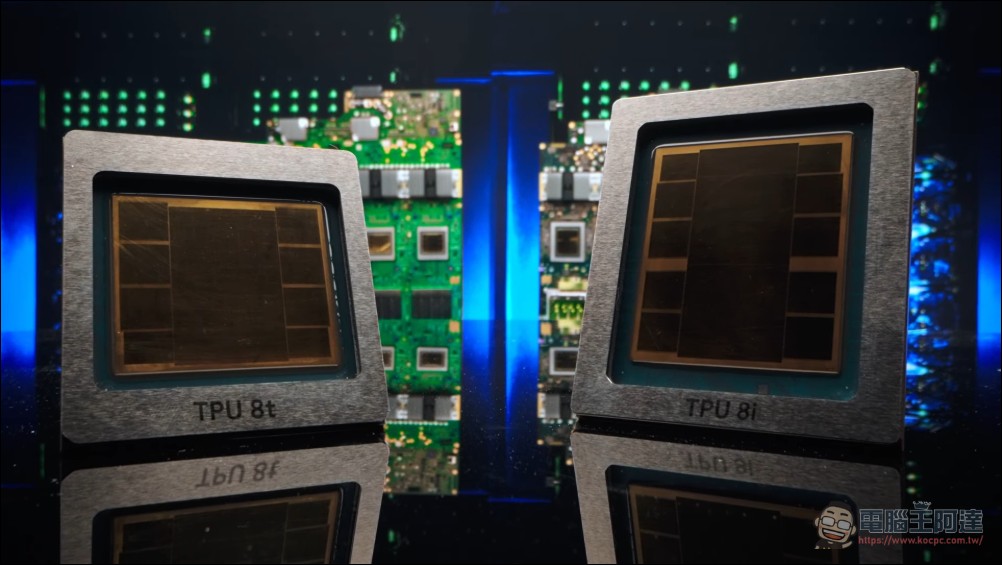
v10 產品線大改組:Quillfish 取代 Icefish/Merope,聯發科獨拿 v9、v10 設計訂單
郭明錤在調查中透露,v10 產品線已大幅改組:原先規劃的 Icefish 與 Merope/Bladerunner 改為 Quillfish,預計 2029 年量產,設計服務訂單由聯發科取得。原本的 Icefish 順延為 v11,預計 2030 年量產,設計服務同樣由聯發科負責;至於 Merope,目前能見度偏低,尚未選定供應商,也不排除取消開發。
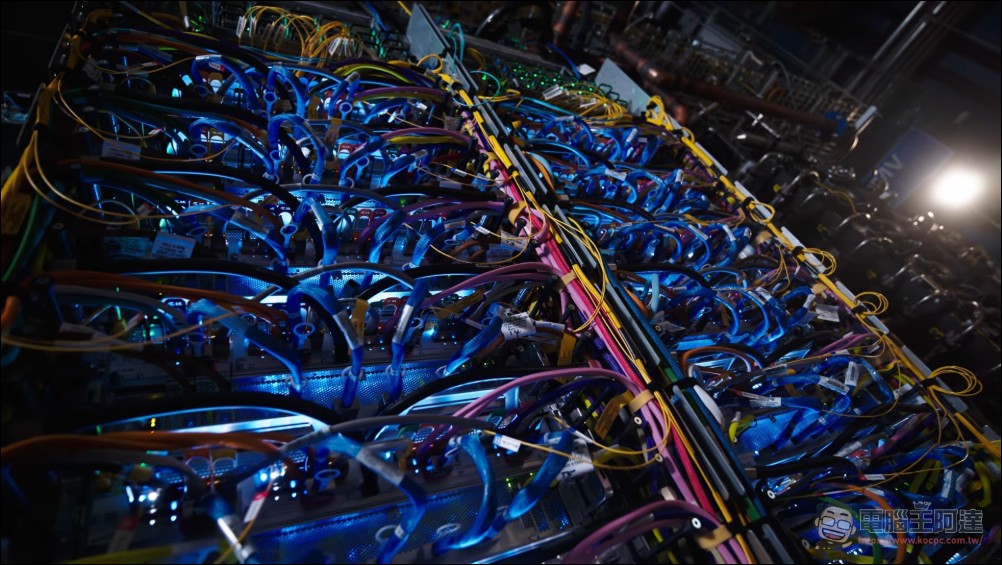
這份最新說法與市場先前的傳聞存在落差。先前的模型假設 v9 完全由聯發科供應、v10 Icefish 也由聯發科取得、Merope 歸博通;瑞銀(UBS)10 月的供應鏈調查則認為,博通在 v8i 之後的兩個世代都「深度參與」Google TPU 專案,v10 預計 2028 年底出貨、2029 年達到最大宗。郭明錤的版本是聯發科獨拿 v9 與 v10,真實情況仍待後續出貨數據驗證。時程方面,Google 上個月才傳出因修改 Core A 設計、使 v9 開發再度延後,首次 tape-out 預計延至 2027 年 1 月、出貨可能順延至 2028 年第一季,v9 放量速度若不如預期,舊世代 v8 的角色只會更吃重。
供應鏈格局方面,聯發科將成為 v9(Humufish 與 Triggerfish)與 v10(Quillfish)的唯一供應商,2027–2029 年在 TPU 總供應量中的佔比,預估分別約 45% 至 50%、50% 至 55%、55% 至 60%,TPU 對其營收與獲利的貢獻將逐年提高。封裝技術方面,自 v9 起所有新款 TPU 都將採用英特爾(Intel)的 EMIB-T 先進封裝,但初期量產產能有限,因此到 2029 年以前,v8 系列仍將是 TPU 出貨主力。v8 因累積成熟的學習曲線效益、加上聯發科與博通負責關鍵零組件與材料採購,將是兩家公司未來數年 TPU 獲利成長的主要來源。
聯發科是最大贏家、博通 8i 毛利率更高,但博通重心轉向非 TPU 業務
郭明錤直言「聯發科是未來幾年 TPU 的最大贏家」,理由是聯發科從 v9 起獨家掌握設計服務、供應佔比逐年攀升,且高毛利率的 8t 系列訂單能見度一路看至 2029 年,成為關鍵利潤來源。從產品組合看,聯發科在 TPU 業務上同時握有 OpenAI 直接買斷的 8t 訂單、以及 v9/v10 獨家設計服務,加上自 v9 起負責關鍵零組件與材料採購,在成本控管與學習曲線上的優勢將隨出貨量放大而持續累積。
Google TPU update: New OpenAI and Anthropic orders extend shipment visibility to 2029; v10 lineup overhauled (now Quillfish); MediaTek and Broadcom lead as the top suppliers to watch Key takeaways from my latest industry survey and research conclusions: 1. Order visibility and shipment plans: Strong new orders from OpenAI and Anthropic have extended Google TPU shipment visibility to 2029, ahead of Nvidia GPUs and other AI ASICs (mostly 4Q27–2Q28). (1) From 2028, v9 will become the mainstay of Google’s own compute buildout, so v8-series orders (8t / 8i or their design variants) can be viewed as coming from OpenAI and Anthropic. (2) Combined 2028–2029 demand: about 12M units for OpenAI (8t, designed by MediaTek) and about 14M for Anthropic (8i, designed by Broadcom), with both growing year over year. OpenAI buys outright, while Anthropic uses a mix of leasing and outright purchases. (3) Given supply chain constraints, more reasonable TPU shipment estimates for 2027–2029 are 8–9M, 14–15M, and 16–18M units, respectively. The market broadly expects AI capex to peak in 2028, yet this plan shows TPU shipments still growing in 2029, driven by direct orders from AI service leaders OpenAI and Anthropic. 2. v10 lineup and supply chain changes: v10 has changed from Icefish and Merope / Bladerunner to Quillfish, with mass production expected in 2029. MediaTek has won the design service order. (1) Icefish is now v11, with mass production expected in 2030 and the design service order also going to MediaTek. Merope has lower visibility: no supplier has been chosen, and it may be canceled. (2) MediaTek will be the sole supplier for v9 (Humufish & Triggerfish) and v10 (Quillfish), accounting for about 45–50%, 50–55%, and 55–60% of total TPU supply in 2027–2029, respectively. TPU’s contribution to its revenue and profit should rise each year. (3) From v9 onward, all new TPUs use Intel’s EMIB-T advanced packaging. Given limited initial production capacity, the v8 series should remain the bulk of TPU shipments through 2029. v8 is expected to be the main source of TPU profit growth for MediaTek and Broadcom over the next few years, thanks to significant accumulated learning-curve benefits and the fact that both handle procurement of key components and materials. 3. Market attention and supplier outlook: Recent events should raise and sustain market attention on Google TPU, with key design service providers MediaTek and Broadcom likely to be the supply chain’s top focus. (1) Uncertainty over Nvidia’s CEO succession helps Google in discussing post-2028 long-term plans with customers. OpenAI and Anthropic are both key TPU customers, so their IPOs should also raise and sustain attention on TPU, and MediaTek and Broadcom are the suppliers the market most readily associates with it. (2) MediaTek is clearly the biggest TPU winner of the next few years. Its position as sole design supplier from v9 onward, together with a supply share that rises each year alongside TPU shipments, will expand its TPU revenue. The high-margin 8t series, with shipment visibility through 2029, is a key profit source. (3) Because Broadcom leads the 8i design, its gross margin is even higher than the 8t’s, supporting Broadcom’s profit growth. Note, however, that Broadcom’s focus over the next few years will be non-TPU XPU and AI networking chip orders, with non-TPU revenue expected to surpass TPU revenue as early as 2027.
— 郭明錤|Ming-Chi Kuo (@mingchikuo) November 16, 2026
博通方面,因主導 8i 設計、其毛利率比 8t 更高,有助支撐博通獲利成長;不過郭明錤強調,博通未來幾年的發展重心將放在非 TPU 的客製化 XPU 與 AI 網路晶片訂單,非 TPU 營收最快 2027 年就會超過 TPU 營收。即便聯發科獨拿 v9 與 v10,博通仍可透過 Anthropic 的 8i 訂單與其他 XPU 客戶維持成長,但 TPU 在其整體業務中的相對重要性,將隨非 TPU 營收超車而逐步下降。
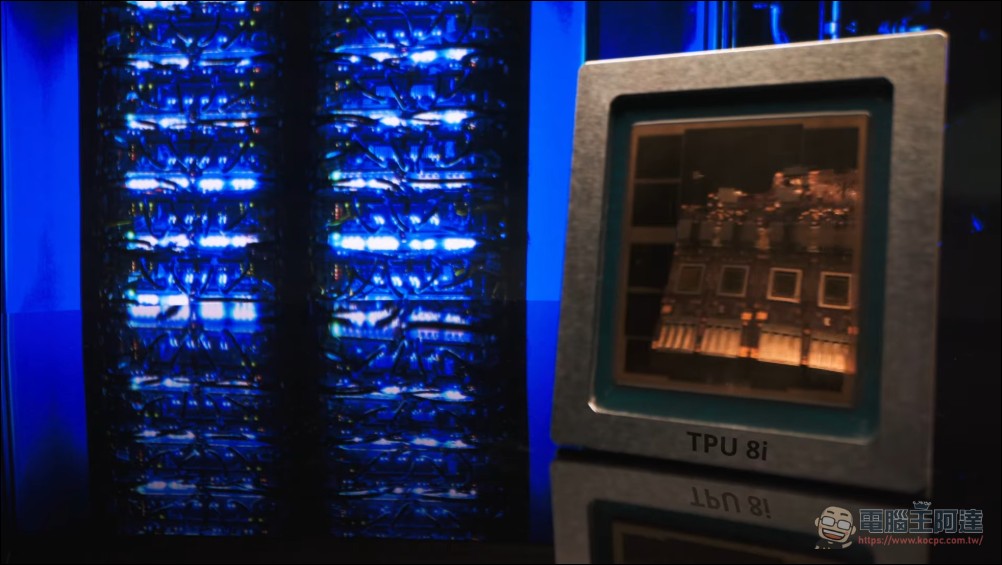
輝達接班空窗期+OpenAI、Anthropic IPO 題材,TPU 供應鏈成市場焦點
郭明錤在報告結論指出,近期一連串事件將提高並延續市場對 Google TPU 的關注,而聯發科與博通身為 TPU 關鍵的設計服務供應商,將成為供應鏈中最受矚目的兩家公司。從產品組合來看,聯發科掌握 v9、v10、v11 三代的設計服務訂單,加上供應佔比逐年攀升,TPU 對其營收與獲利的貢獻預期將逐年擴大;博通則靠 8i 維持高毛利率,但中長期成長動能將來自非 TPU 業務。
郭明錤認為,輝達執行長接班的不確定性,有利 Google 與客戶洽談 2028 年後的長期算力規劃;OpenAI 與 Anthropic 同為 TPU 關鍵客戶,兩家公司若推進 IPO 計畫,也將持續拉高市場對 TPU 的注意力,而聯發科與博通正是市場最關注的兩大供應商。
在這份調查描繪的格局下,Google TPU 已從自用晶片,逐步跨入對外供應市場,並在輝達主導的 AI 訓練晶片市場外,建立起另一條具規模的供應鏈,也為台灣IC設計業帶來新的長期成長題材。在台股 11 月 16 日亞洲股市震盪、加權指數早盤一度跌逾 722 點之際,聯發科(2454)開盤一度下跌 130 元、來到 3,990 元、險守 4,000 元大關,但郭明錤報告消息帶動其盤中跌幅收斂,市場已開始反應 TPU 長期題材。